
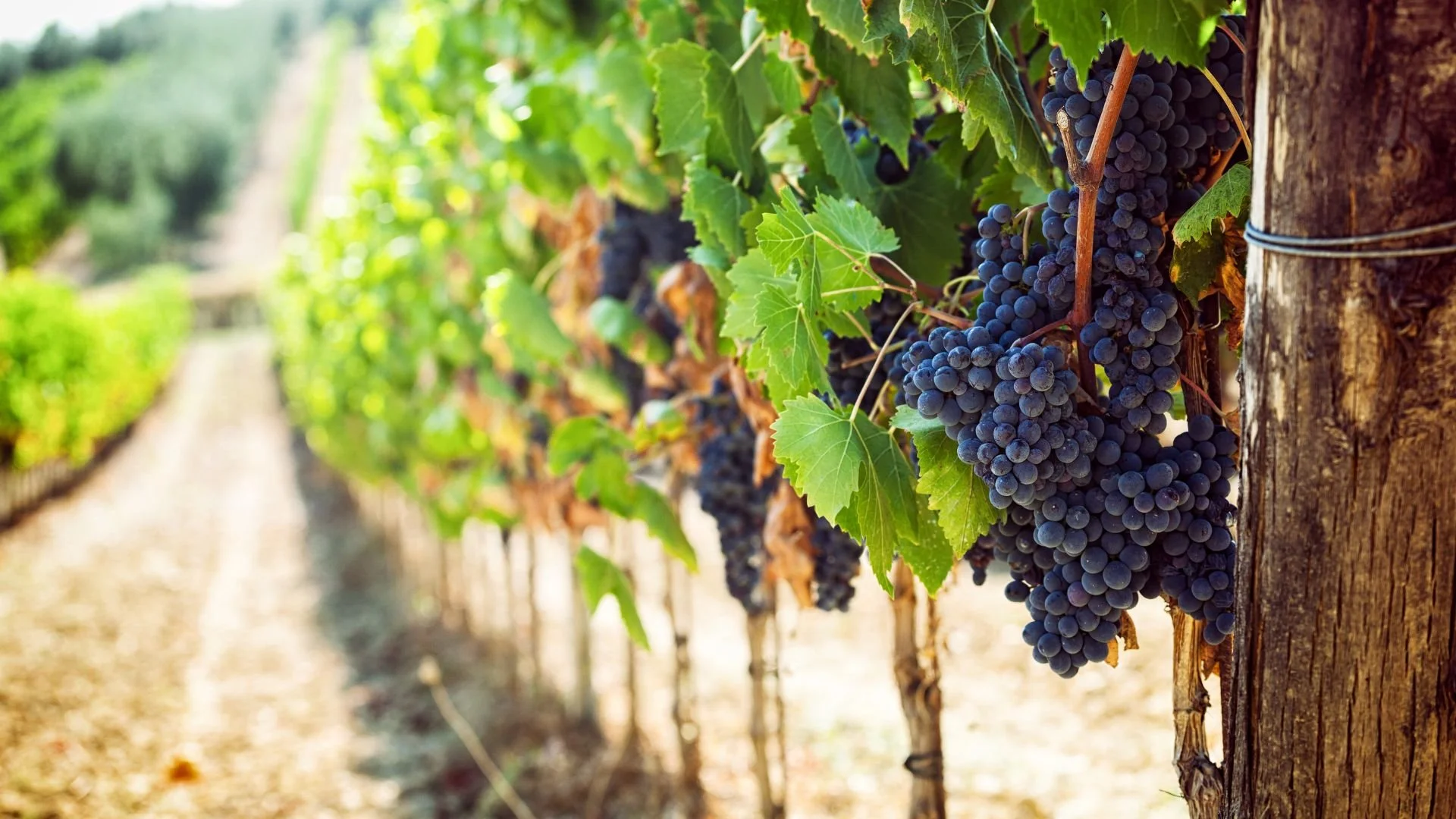
Abide in Me, and I in you. As the branch cannot bear fruit of itself, unless it abides in the vine, neither can you, unless you abide in Me. -John 15:4
I am the vine, you are the branches. He who abides in Me, and I in him, bears much fruit; for without Me you can do nothing. -John 15:5
Some stories have been told so many times that we assume we already understand them. We skim over them, believing we know what they mean. But sometimes, when we revisit an old story with fresh eyes, we discover something entirely new. The parable of the vine and branches in John 15 is one of those stories. While many have read it through a Western religious lens, understanding it in the context of ancient vineyard management transforms its meaning entirely.
Why Jesus Used Agricultural Metaphors
Jesus was a master storyteller, using parables to convey deep spiritual truths. Since His audience lived in an agriculturally-based society, He used farming analogies that they would immediately understand. The parable of the vine and branches is no exception.
To grasp the full impact of this story, we must step into the world of an ancient vineyard manager. We must understand how vines grow, how they’re pruned, and how their fruit develops. Without this understanding, we risk misinterpreting Jesus’ words and missing the richness of their meaning.
The True Vine and Branches: A Deeper Look
In the time of Jesus, a vineyard owner seeking to start a new vineyard wouldn’t simply plant seeds. Instead, he’d obtain clippings from a mature, fruitful vine—what was known as the “true vine.” These clippings, or branches, would be planted, and their ability to thrive would depend entirely on their connection to that original vine. The life in the vine determined the life in the branches.
Jesus declares in John 15:1, “I am the true vine, and My Father is the vinedresser.” With this statement, He shifts the focus from human effort to divine source. Just as branches receive life from the vine, our spiritual growth and fruitfulness come not from striving but from remaining connected to Him.
Understanding Vineyard Management and Spiritual Growth
A vineyard isn’t simply planted and left to grow wild. It requires careful tending. Here’s how the process works and what it reveals about our spiritual journey:
1. Pruning for Greater Growth
Pruning is essential for producing quality fruit. In the winter, vineyard managers cut away branches that bore fruit in the previous season to make way for new growth. These pruned branches are either discarded or replanted to develop strong roots.
Jesus says in John 15:2, “Every branch in Me that does not bear fruit He takes away; and every branch that bears fruit He prunes, that it may bear more fruit.” The phrase “takes away” is better translated as “lifts up.” A vineyard manager doesn’t immediately discard a weak vine; he lifts it off the ground, tying it to the trellis so it can receive more sunlight and grow stronger.
This is a powerful reminder that when we struggle, God doesn’t cast us aside. Instead, He lifts us up, giving us opportunities to thrive.
2. Stress Produces the Best Fruit
Modern agricultural practices focus on maximizing yield, often using fertilizers and irrigation to ensure plants grow quickly. But ancient vineyard managers knew that the best grapes came from vines that faced stress—just enough difficulty to encourage deep root growth and concentrated fruit production.
Too much water leads to weak vines and poor-quality grapes. Too many nutrients cause the plant to focus on growing leaves instead of fruit. The best vineyards are planted on rocky hillsides where water drains quickly, forcing the vine to draw strength from within.
Likewise, our greatest spiritual growth often comes through seasons of difficulty. When life is easy, we may become complacent. But when we face challenges, we learn to draw from the True Vine, deepening our trust and dependence on God.
3. The Seasons of Growth
Just as vines go through seasons, so do we. Recognizing these seasons can help us embrace God’s work in our lives:
Winter (Pruning): A time of letting go of old beliefs, habits, or situations that no longer serve us.
Spring (New Growth): A season of fresh revelation and discovery.
Summer (Maturity): A period of refining, where we learn to live in alignment with our true identity.
Fall (Harvest): A time to see the fruit of our faith, to bless others with what has grown within us.
Each season is necessary, and none should be rushed. Growth takes time, and transformation is a process.
Seeing Yourself in the Vine
Jesus’ words are not just about plants—they’re about identity. He says in John 15:5, “I am the vine; you are the branches.” This isn’t an instruction to become something different. It’s a declaration of what is already true. You’re a branch. You’re already connected to the True Vine.
Many people live as though they’re separate from God, trying to earn His approval through effort. But a branch does not strive to be part of the vine—it simply is. Its only task is to remain in place and allow the life of the vine to flow through it.
When we internalize this truth, we stop striving. We stop measuring our worth by our accomplishments or failures. We begin to rest in the assurance that our identity is secure.
Abiding: The Key to Fruitfulness
Jesus repeatedly emphasizes one word in this passage: abide. The Greek word for abide means to remain, stay, or dwell. It’s not about striving but about being.
Abiding in Christ means:
Trusting in His sufficiency rather than your own effort.
Resting in His love rather than fearing rejection.
Allowing His life to produce fruit in you naturally.
Jesus doesn’t tell us to bear fruit by working harder. He tells us to bear fruit by staying connected. When we abide, fruitfulness is the natural result.
A Call to See with New Eyes
The parable of the vine and branches is more than a lesson on agriculture. It’s an invitation to see ourselves differently—to let go of striving, to embrace seasons of growth, and to trust that we’re already one with Christ.
So today, take a step back and look at your journey with fresh eyes. Where are you in the growth process? Are you in a season of pruning, new growth, maturity, or harvest? Are you striving to prove your worth, or are you resting in the life of the vine?
Let go of the pressure to become something different. You’re already in the vine. Abide in Him, and let His life flow through you. The fruit will come naturally, in its time.
See D. Scott Cook’s book Alignment of Authentic Love: Living Your Highest Life to learn more.